Friday, January 30, 2026

Technical Elements

Overall my research has been going great so far, but now it is time to get to the technical elements of the film. Some technical elements I will be researching today are different camera movements and shots, sound, and editing techniques.

Camera Movements

So when it comes to camera movements there are different suggested ones for each genre we are doing; hence, the first one I will be researching are camera movements in sport movies. One camera movements that is often used in sport movies are tilts and tilts are when you don't physically move the camera up and down, instead you leave the camera in one place an simply tilt it up or down. A tilt can signify a characters/athletes dominance over something or its vulnerability towards it which can create suspense or an emotional connection with the audience. Another camera movement that's also popular are Tracking and Trucking shots, and the difference between a tracking and trucking shot is that a tracking shot is usually taken with a handheld camera and follows the character from the front or the back while they are walking while a trucking shot is taken horizontally so from left to right or vise a versa. And both of them build tension with the audience and also makes the audience feel like they are also there and this is important in a sport movie because it helps connect the audience to the character and make a film more dynamic sport wise. Lastly, a camera movement that may get overlooked is a zoom. A zoom is where the camera is not moving and is stationary but all the videographer does is zoom in on an object or character. In the sense of a sport movie a zoom is used to zoom in on a characters facials so the audience can read how a character is feeling.


Now camera movements for drama scenes are more simple and similar, one camera movement that is frequently used are push-in and pull outs, and that's just when the camera physically moves closer or farther from the character and this can create suspense or heighten a emotional scene. The next one that's common is a dolly zoom and it's described as a combination of a zoom and push. In other words it when the camera zooms in while the camera is also pulling out or vise a versa the camera can be zooming out and pushing in at the same time and this is used in quiet scenes so the audience can better feel what the characters are feeling making this very used for drama movies.

Camera movements examples video In this video it gives example of each movement I researched and was very helpful by giving great information with its visual examples. ( These are the time stamps for each camera movement- 5:18 tilt, 7:08 push in, 9:08 pull out, 10:27 zoom, 14:09 dolly zoom,17:48 tracking, 19:25 trucking)

Camera Shots

Now when it comes to camera shots both are extremely similar for both sport genre and drama genre. So to start off every movie good movie should have an establishing shot especially for a Sport-Drama-Coming of age- Inspirational movie as it sets the precedent of where the event will happen and what ever stress may go along with it. The next shot that is normally in sport movies are POV shots as they show the audience what the character is looking at making the audience feel closer to the action which can make a movie more relatable. Now just like in camera movements their zoom in's, well in shots there are close up shots and they signify the same thing as a zoom which is they help the audience read the characters facial expressions, body language, and these shots are taken from the shoulder and up. And overall their are a lot of other shots that are common in every movie such as wide shots that feature 3 or more characters on a screen and an over the shoulder shot which is used more for dialogue between characters and makes the audience feel part of the conversation making the film more realistic.

This is an example of a close up shot from the movie Oppenheimer and you can see just by the facial expressions the character is stressed. Which shows how powerful a close-up shot can be


Sound

Sound even though not talked about a bunch is very important and different sound elements can add depth into a movie. The most common element of sound for drama and sport movies are voice overs, and the voice overs are usually done by the main character of a movie this adds the thoughts the character are thinking and gives a more genuine look into the movie. A voice over helps make the audience feel invested or apart of the movie, in addition it also makes a movie relatable to the audience. furthermore one of the most basic sound elements is dialogue, and dialogue are the lines characters say throughout a movie and although they may seem simple dialogue when spoken right adds a better emotional connection for example if someone was reacting to a surprise and they wow in a monotone way it wouldn't make sense but if they say Wow! in an uplifting way then it would make more sense and contribute to that scene in the film. That's why dialogue delivery is important a is can signal an emotional state, background info, and even the tone of the line makes an impact. And lastly the other most common sound element is a sound bridge, a sound bridge can be music that plays in between two scenes to signify the transition, this can also help give some mental cues to the audience about what is going to happen.


Editing Techniques

Last thing I will be researching today is editing techniques. To start off since we are doing a sport-drama the most common thing to do is a continuity system of editing where time and space are consistent and in chronological order. Now let's move on to the different types of cuts, first off the most common cut is a straight cut. straight cuts are used in almost every movie and it;s just when one shot replaces the next and it follows a linear narrative. This keeps everything straight forward or the audience instead of making it confusing. Now the next cut is a Shot/reverse shot and it is mostly used for character when they are having a conversation and this will also include over the shoulder shot that I mentioned before, meaning they present the same meaning to the audience-making the audience feel apart of the conversation. Now the next shot is an action match and this works more for the sport side of the film and all it does is that it transitions two shots by cutting them together while the action is in progress. Then there is also an eyeliner match cut and that partners with a POV shot meaning it's just transitioning to where the audience sees what the character sees. And lastly for cuts we have a jump cut and it's just when a scene jumps into a new scene in the future for example you may have a scene where the character talks about going to a party but then it might cut to them at the party skipping the whole get ready process. Now lastly for editing techniques we have transitions now the main 3 transitions that are most popular for sport- drama movies are fade in-fade out, long takes, and visual effects. Now a fade in and fade out is when one scene fades into the next or fades out and it can make a pliant transition for the audience. A long takes is where there is no cutting for 2-3 seconds or more this makes the audience see one side of the story sometimes but can also signify stillness and peace. And ultimately we have a visual effect and it just when an editor blends the footage with some digital manipulation, the whole point is so that the audience doesn't think about it and everything goes smoothly.


Reflection

After doing this research I learned that me and my partner have to be careful to what we incorporate into our film opening and make sure we can make a product that will exceed our vision and to that we will be using most of these technical elements to create our idea. But until next time!


Sunday, January 25, 2026

Audience Research

Introduction

Now that I have research the different conventions that make up Mise-en-scene. I can now start to research what would be our target audience.

Demographic's 

For starters, while doing my research I learned that most companies separate their target audiences into demographics. Our demographic would lay mostly under the age section since; age plays a big role in a film's target audience as it sets the precedent for the target audience. For example, a movie that includes some mature context or mild violence may be classified as a PG-13 movie and sets the audience as people who are 13 years old and up. While a movie that has no restrictions will be classified as a PG movie setting the target age as12 years old and younger. Another demographic our movie would fall under are specific demographics in this case people who like sports would be more compelled to watch it then people who don’t do sports. Furthermore, since our movie is more dedicated toward pre-teens and teens and people who like sports, we would fall under the age of 10-18 mostly, but it may varyThat's why the safe choice to do is make our movie PG so all the demographics we are targeting will be able to watch it. 

How are they normally Published? 

Sport Genre Movies can be published in different ways. The most popular is Theatrical releases where it comes out in theaters for a couple of weeks. This makes a great box office opportunity for companies as this is how they raise a profit. And although theatrical releases are the most common, other companies will also just release it onto one streaming platform or multiple so that they can make a profit from it from the people who don’t have the time or energy to go to the theater. This is a smart part of the company especially if they have it on multiple streamlining platforms because it makes the movie easy to access. Some of the most common platforms are Netflix, Disney+, Hulu, and Prime video. 


How are they distributed? 

So, first off distributing means the way that the company or studio markets the movie to the people. So usually for sports movies most companies try to partner up with sport brands like Nike, Adidas, etc. Moreover, this makes it easy for a company to appeal or grab the attention of their audience especially since the audience will be people who enjoy sports. Another way studios market their audience is through social media apps such as Instagram, Tik Tok, Facebooketc. This makes it easy to appeal to the audience that like the drama side of the film. Because they can post trailer and sneak peaks that make their audience interested in watching and can even pull in people who don’t normally watch sports films. 


-Inside Out 2 teaser this is an example that Disney made where they distributed a teaser for their upcoming movie to get people excited.

How frequently are they released? 

Sport-Dramas aren't as popular as Rom-coms, so there aren't as many sport movies that get released every year. Although back in 2019 and the years prior sport- drama movies were popular leading to several every year but after 2020 there was a decrease in sport movies with only one or none being released every year up util 2023 when sport movies started to make a comeback. Now Sport- Drama movies are regaining their popularity leading to 1 to 3 movies being released every year. 


-Inside Out 2 teaser this is an example that Disney made where they distributed a teaser for their upcoming movie to get people excited.

Conclusion 

After researching about the impact a target audience has, my partner and I decided that since we are making a coming of age- sport-drama about a young girl , we don't want to over step any boundaries andinstead make this film a powerful message for young kids and  teens, and the best way to do that is to stick strictly PG so that way we can focus on our target audience who are pre-teens, teens, or anyone who likes sports or  is struggling in life in their extra-curricular and want to watch something to relatable. 


Mise-en-scene Research

Introduction

Welcome back to my blog I have decided to continue my research by looking at the different mise-en-scene elements that contribute to the making of a film.

Location

To start off location is an essential part of mis-en-scene. The location or setting helps amplify the plot and the story by creating settings that can help describe the mood. For example, a sunny day at thbeach with bright colors sets a fun mood, and by doing this the audience can understand and determine the mood better. Another importance location has is that it can add realism and authenticity to a film. For example, if a film takes place in the 1980’sthen having the film consist of different locations and props from the 1980’s can help create a more realistic setting for the audience. Therefore, by learning this I know that me and my partner must pick a location that makes sense and helps emphasize the story to make our film successful 

            How A24's 'Eternity' Uses Color To Make Love Feel Alive (And Why Colorist  David Tomiak's Work Is The Film's Secret Weapon) | Thought Catalog

                    -For example this scene from the movie "Eternity"is taken from a beach on a sunny day and                            the natural light and vivid colors implement that the scene is set as a fun mood. 

           Link: https://rangshila.com/location-is-everything-how-the-right-setting-elevates-filmmaking/#:~:text=One%20of%20the%20biggest%20advantages,important%20as%20any%20other%20character. 

Lighting

The next part of the Mise-en-scene is the importance of lighting. Lighting contributes a lot to a scene, hence if the lighting is bad, the whole scene and its ambience will be wrong. First things first, lighting contributes to a scene setting, making it easy for the viewer to know what time of day the scene is taking place or even the location. For example, there may be a scene where the lighting is dim, and there are a bunch of colored LED lights. By using this lighting it’s easy to depict that the setting is probably at a club. Just like how location can set a mood so can light. When a scene has natural lightning from the sun, it can create a carefree, happy atmosphere. But when a scene has very bright white lights, it can create an unpleasant mood or forced mood as the colors are more cooled tone instead of a warm tone. Furthermore, my partner and I have discussed lighting, and we plan to incorporate what we have learned to our film opening and use the lights that will help achieve our mood. 

                              7 Ways to Use Music to Create Mood and Meaning Onscreen   

 - For example this shot the lighting is dim and there is LEdD lights. Just by looking at the lightning you can tell that this takes place at a night club.     

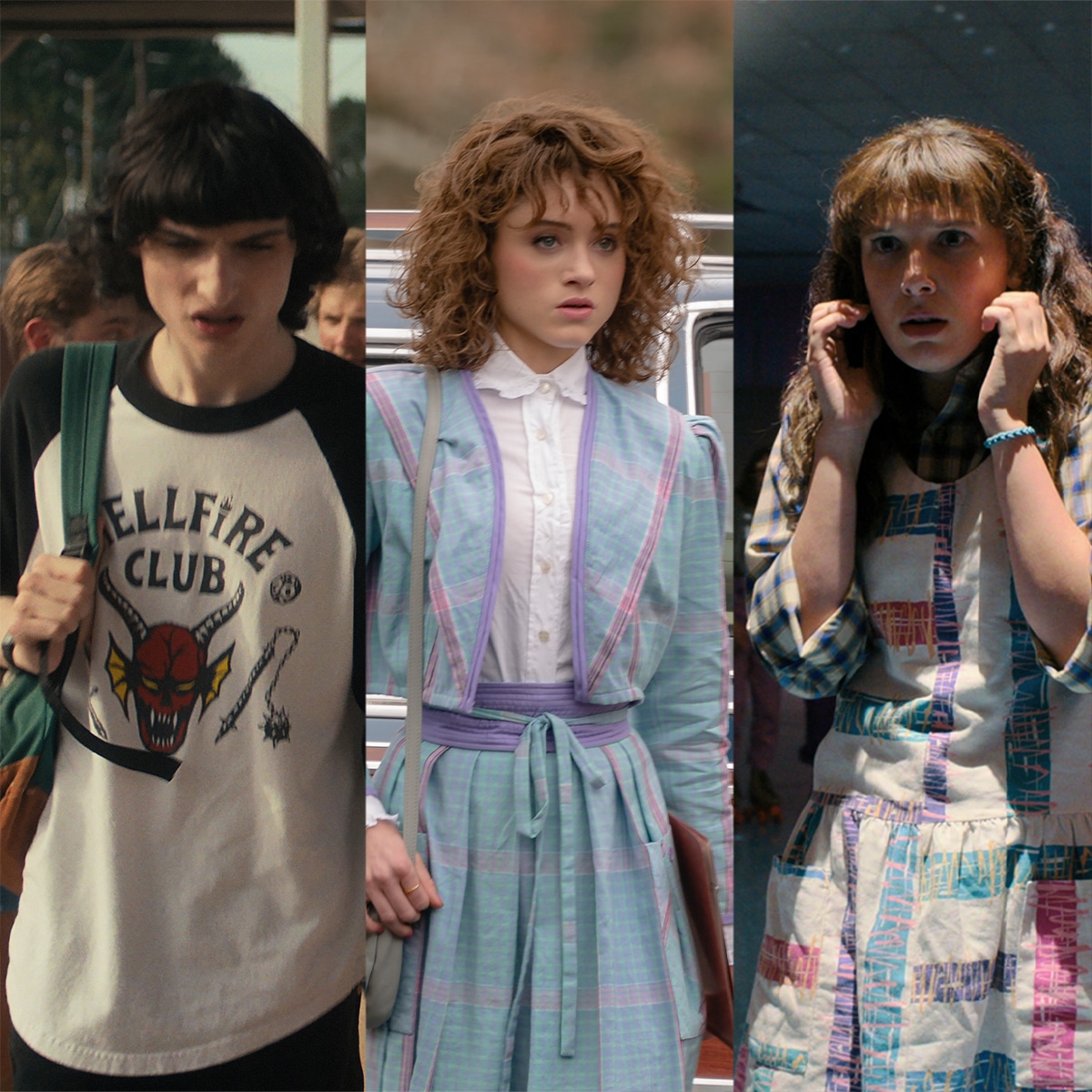
Lastly, for mise-en- scene we have costumes, costumes can help the audience understand who this character is and what they do. Having a good costume is essential to a character's personality and backstory. For example, there are different ways a costume can tell a story. For one it can set the time period the film or show takes placefor example if you are watching the series Stranger Things you can immediately tell what time period they are from just by looking at their clothes, especially since it took place in the 1980’s and during that time period bold colors were popular. Another way a costume can be used is for social cues like a popular girl in a high school movie are usually wearing high-end clothing rather than a broke kid who would be wearing hand me downs. 

                                         All The Best Stranger Things Season 4 '80s Style Secrets

                                         - This link goes to a YouTube video on the costume designer of Stranger things, and  she talks about the aspects that went into creating these outfits. Stranger things costume

All these elements of Mise-en-scene are very important when making a film and are often ovelooked. Now with the research I know I will make sure to apply every single element to our film opening to make it the best it can be. Well, that's all the research for today until next time! 


Creative Critical Reflection

 Introduction Hello and welcome back to my blog, today I'm so excited to share my CCR's with you. This has taken long in the making ...